FOMREK Holds Fifth Bi-Annual Workshop to Strengthen Research, Policy and Sustainability in Forced Migration Studies
Researchers, academics, policy experts and development partners from across Kenya convened in Naivasha for the Fifth Bi-annual Workshop of the Forced Migration Research Network – Kenya (FOMREK) under the theme “Building from Where We Are: Research, Policy, and Sustainability.” The two-day workshop, held at Hotel Chambai Safaris, marked a significant milestone in strengthening Kenya’s collaborative research ecosystem on forced displacement and migration.
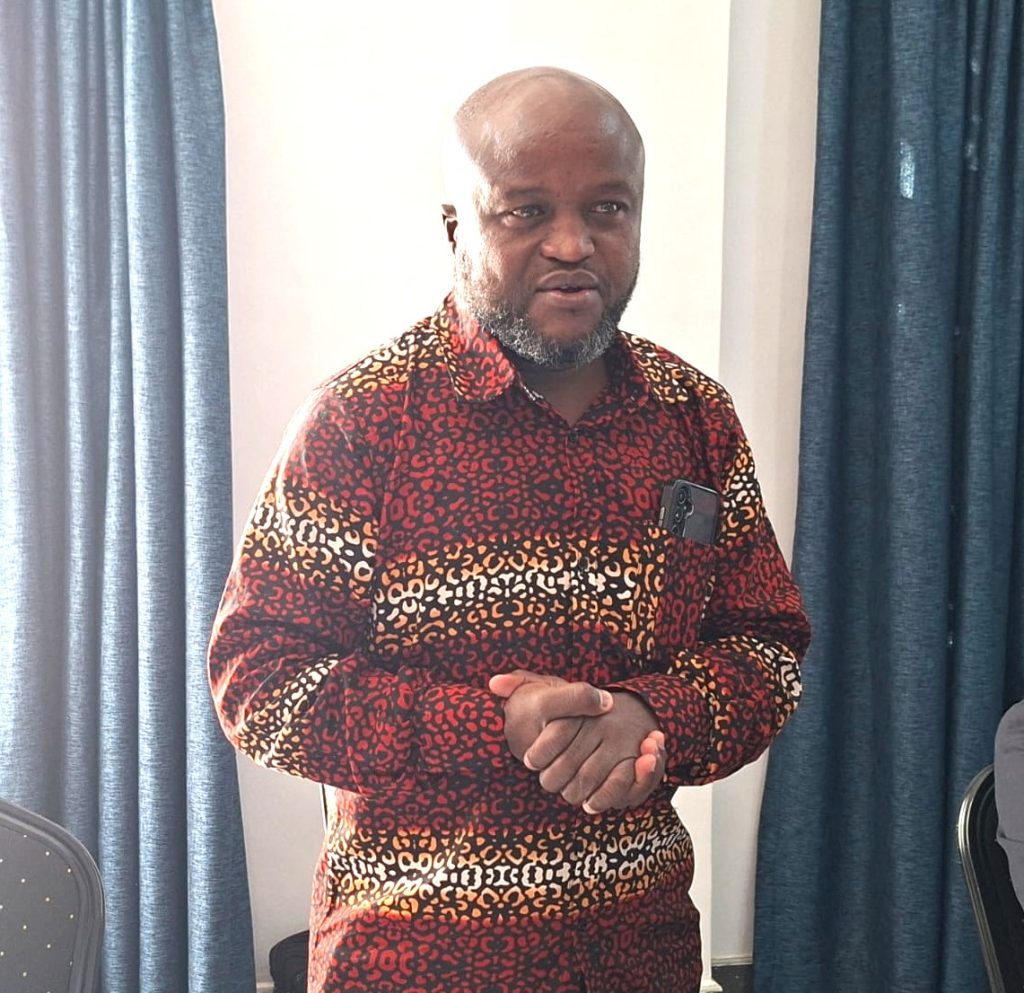
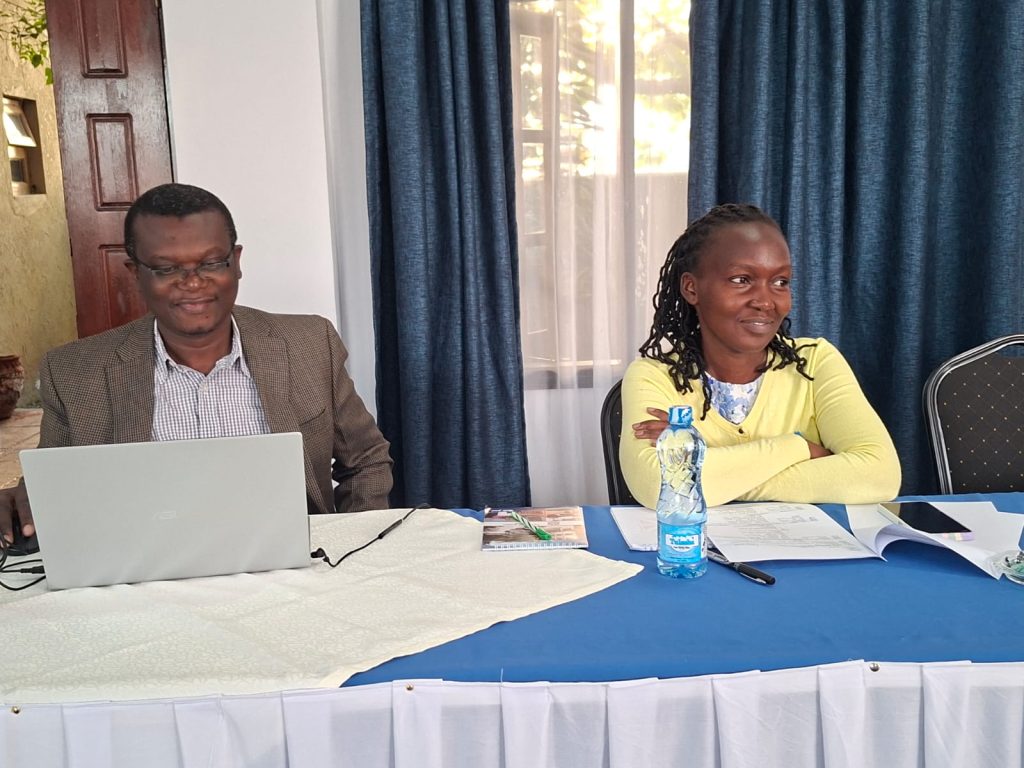
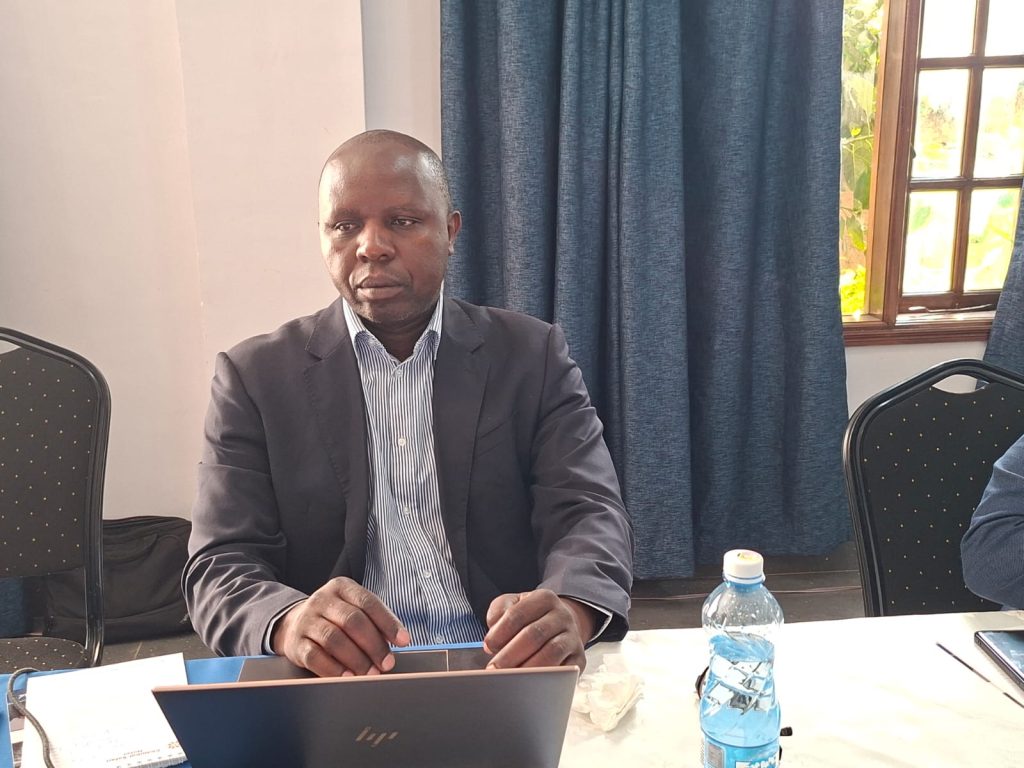
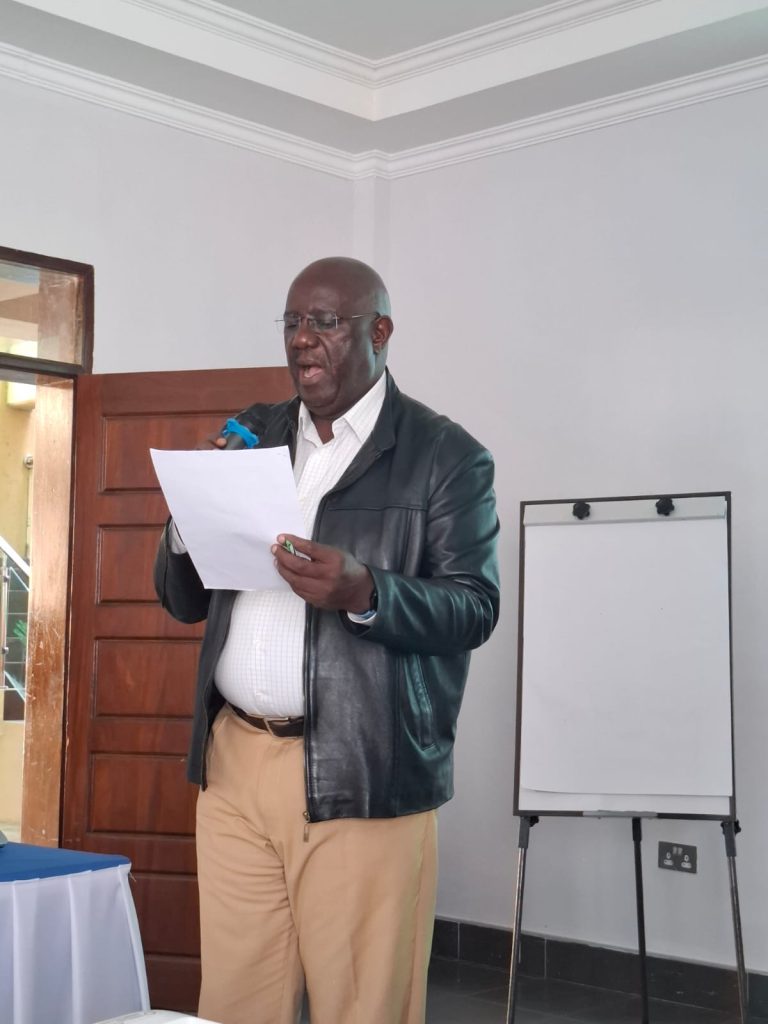
Dr.Michael Owiso, Director Odera Akang'o Campus of Maseno University giving his opening remarks
Established in May 2024 through the support of the Kenya Evidence Platform (KEP), FOMREK has rapidly evolved into a vibrant national network bringing together researchers, universities, research institutions and practitioners committed to generating evidence that informs policy and practice on forced displacement in Kenya and the wider region.
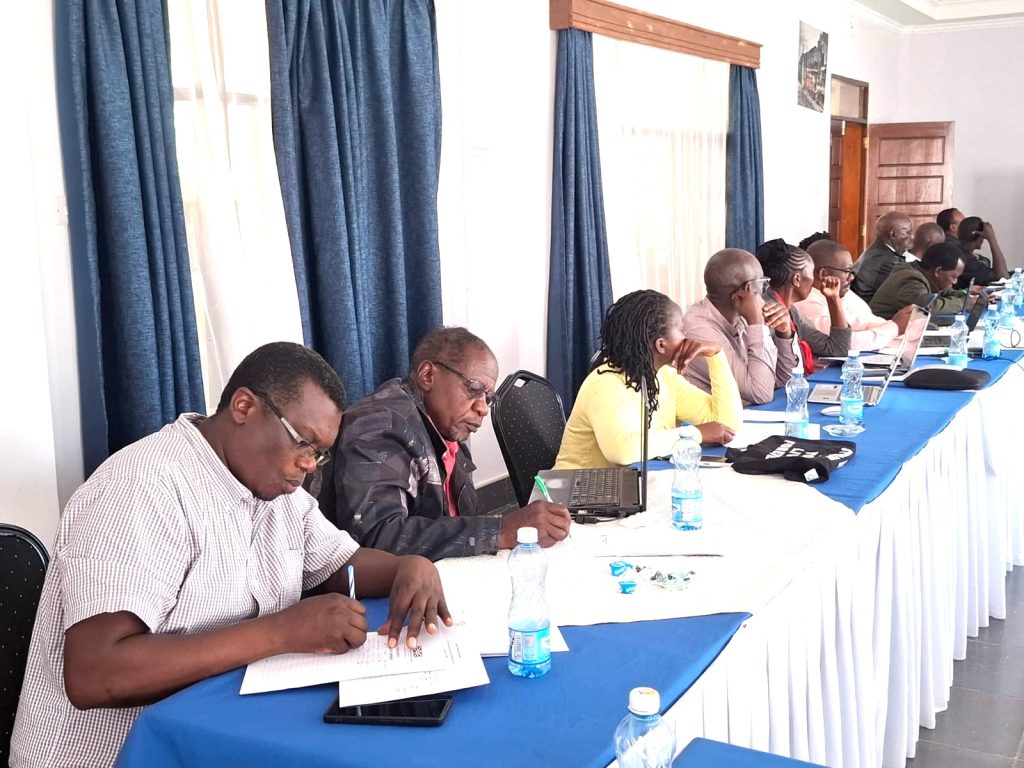
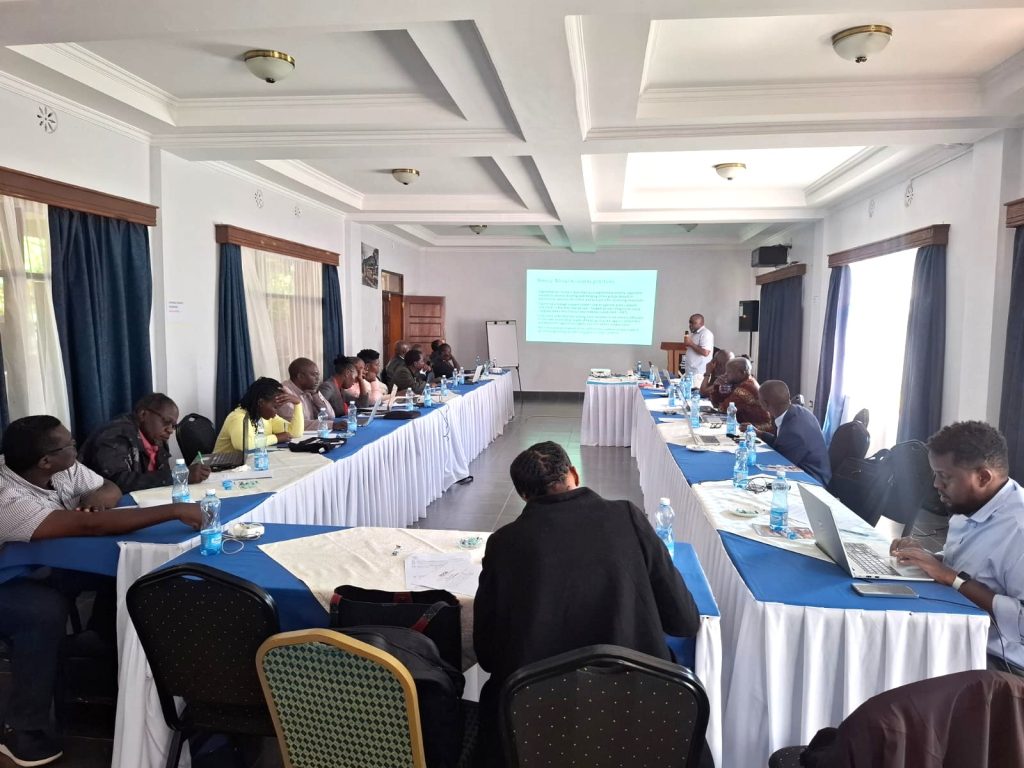
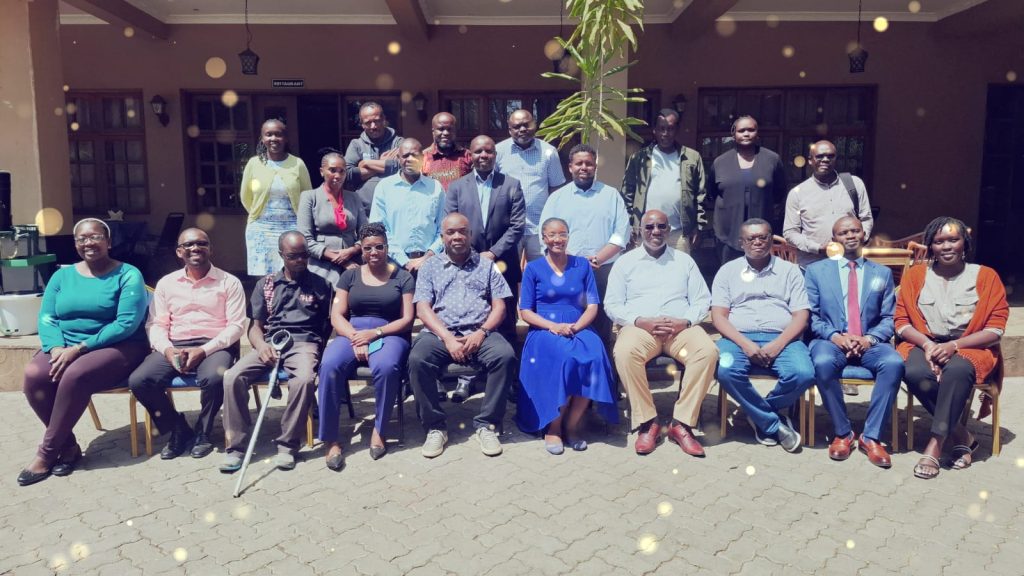
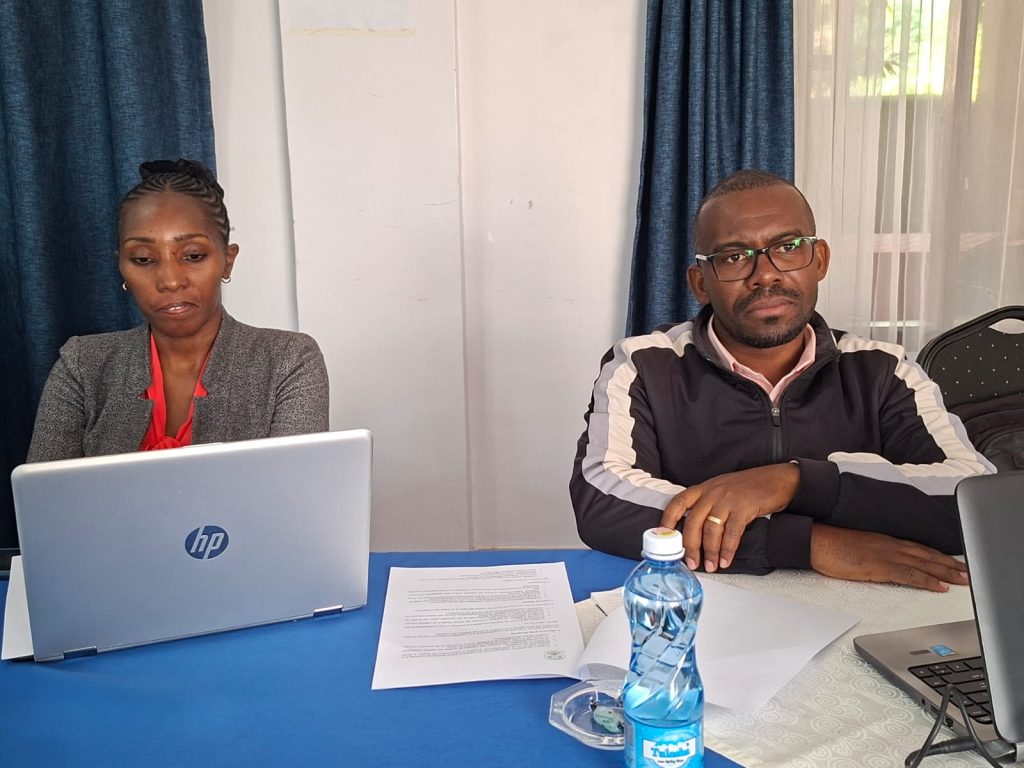
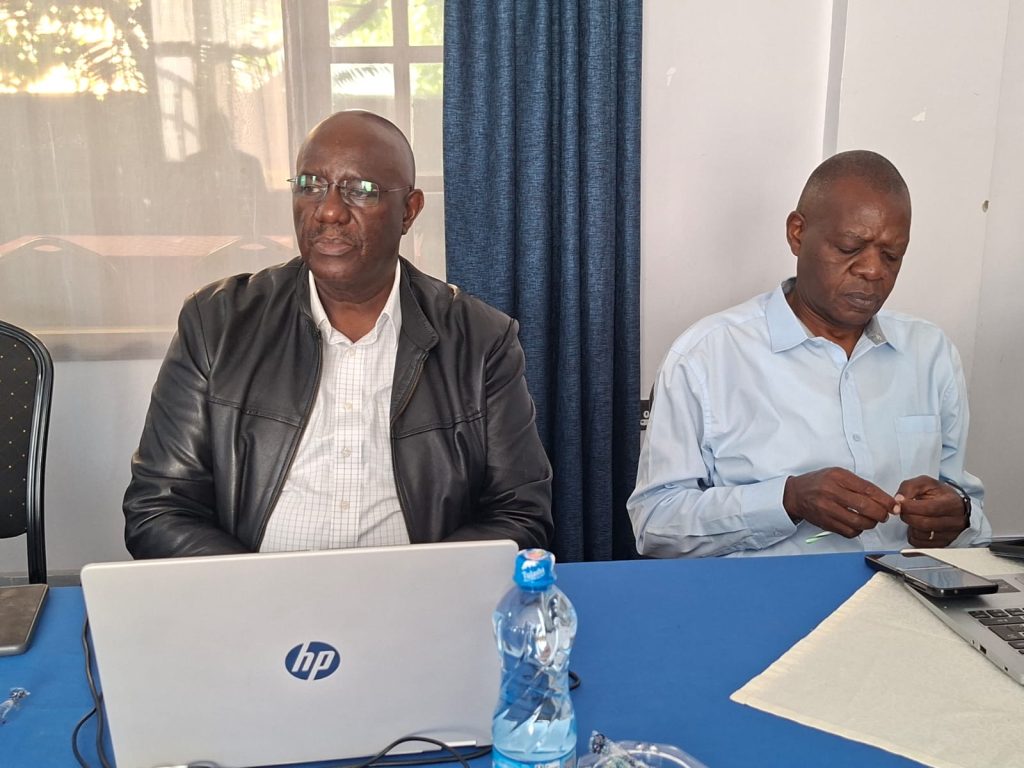
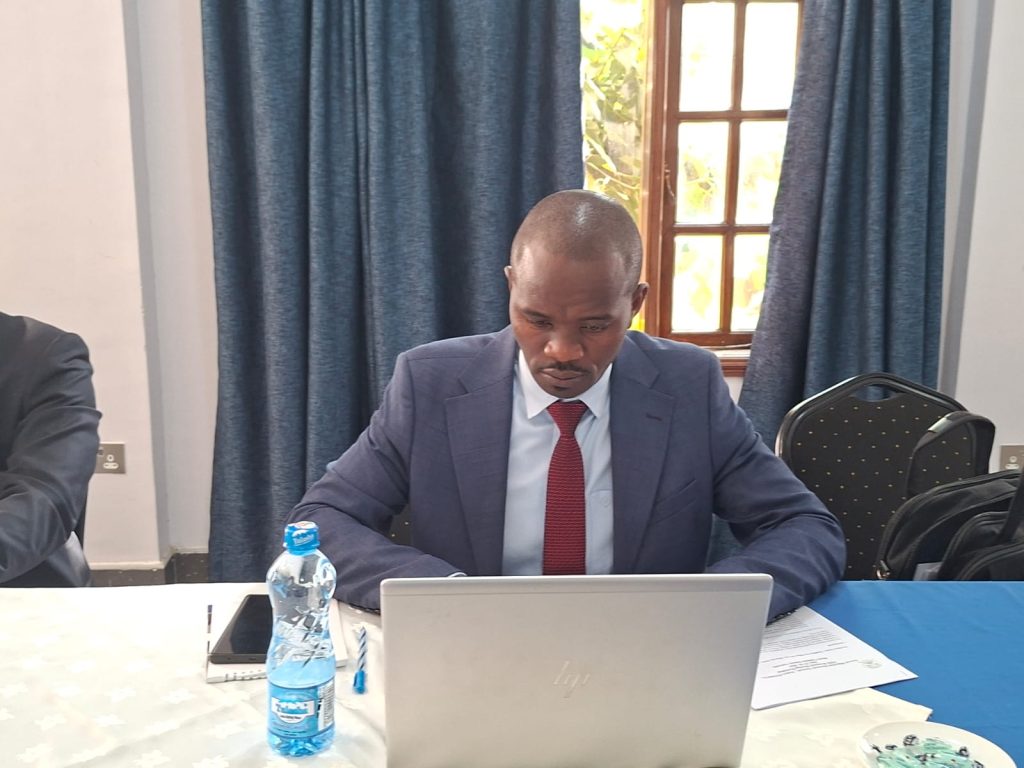
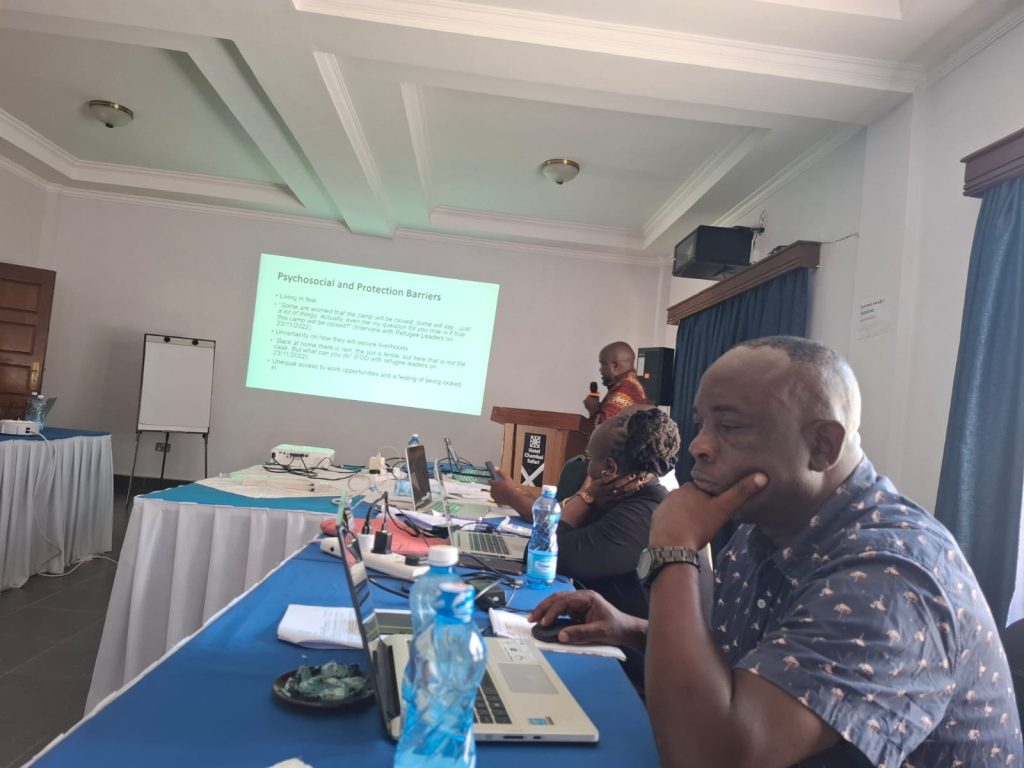
Researchers and Key Patners at the Workshop
Building on Two Years of Progress
The fifth workshop builds upon the achievements realized since the network’s inception. Over the past four bi-annual workshops, FOMREK has recorded remarkable progress, including expanding its membership, establishing thematic working groups, initiating collaborative research projects, organizing dissemination and learning webinars, developing publication initiatives through edited book chapters and journal special issues, and advancing the development of the FOMREK website as a central repository for forced migration research resources.
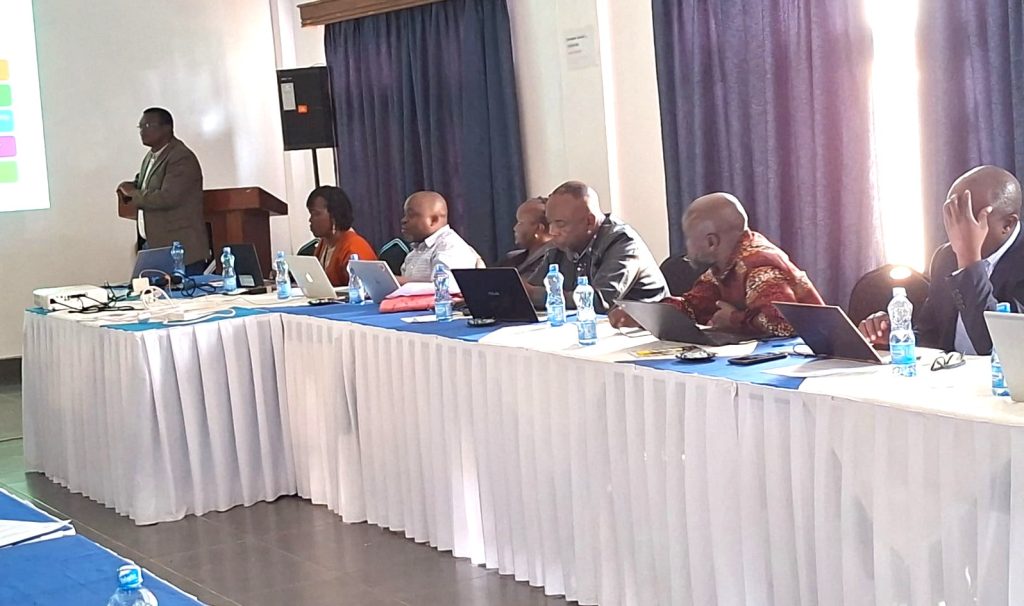
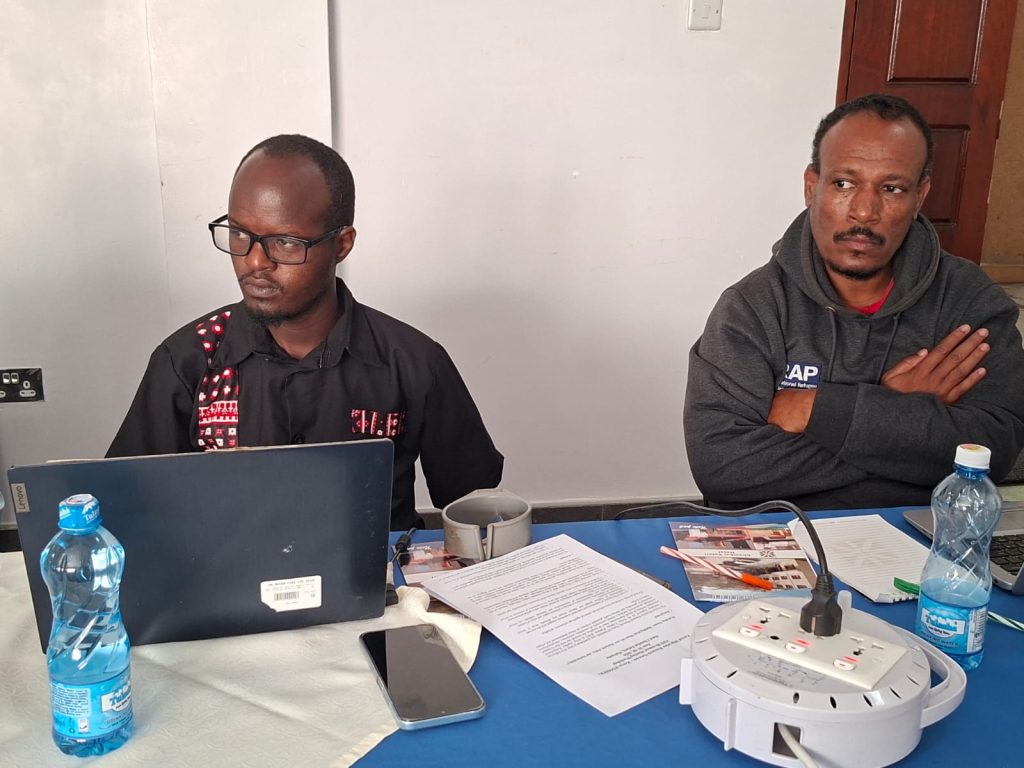
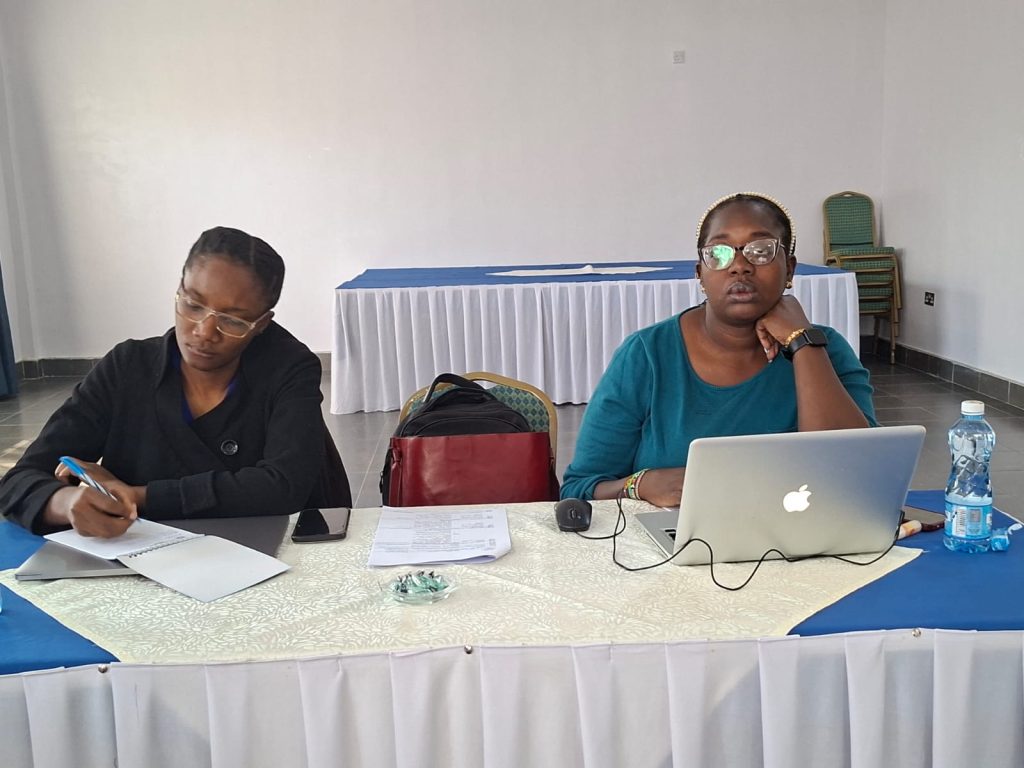
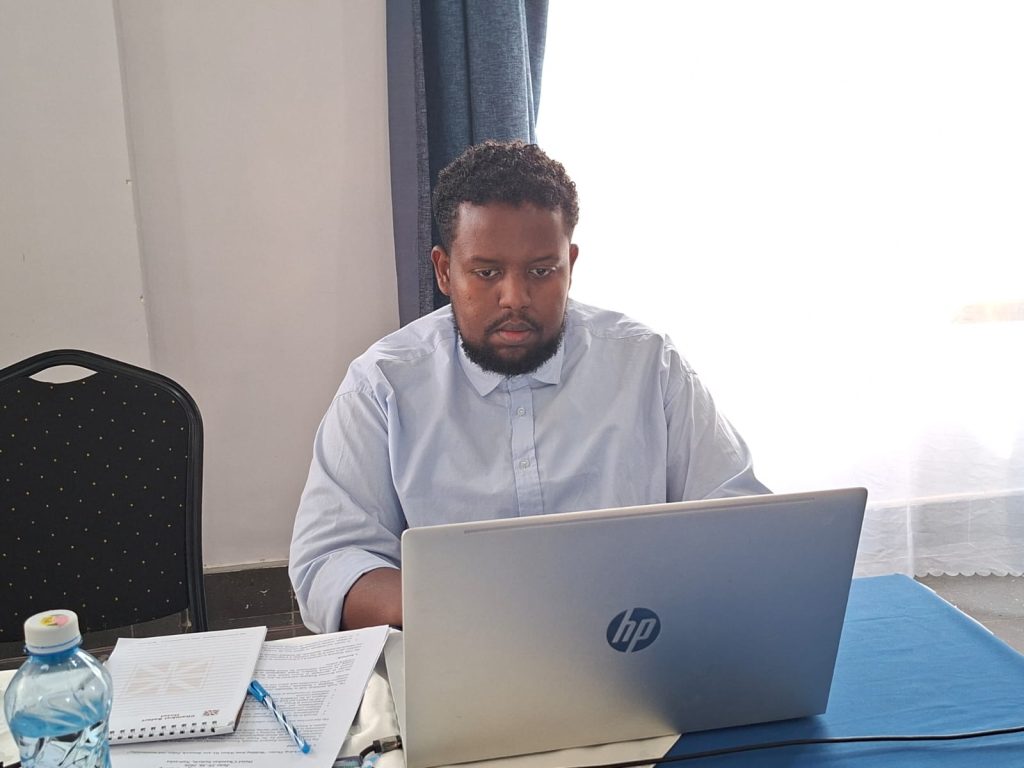
FOMREK Secretariat and various stakeholders during the workshop
Advancing Research and Policy Engagement
The workshop was designed to consolidate the gains made by the network while strengthening the link between research, policy and practice. Participants received committee reports, shared findings from ongoing research projects, and engaged in discussions on how research evidence can better inform policy decisions relating to forced displacement and migration.
The forum also provided an important platform for peer learning through stakeholder seminar presentations, enabling researchers to receive constructive feedback that will strengthen ongoing studies and promote collaborative scholarship.
Recognizing the increasing demand for evidence-based interventions in forced migration, participants are further exploring practical approaches to translating research outputs into actionable policies that respond to the realities of displaced populations and host communities.